Prefabricated Steel Buildings vs. Concrete Structures: A 2026 Decision Guide for Industrial Buyers
The final procurement decision for an industrial building usually comes down to a comparison between prefabricated steel buildings and traditional concrete or brick structures. This guide is written for buyers who have already completed initial research and now need a structured basis for a final decision.
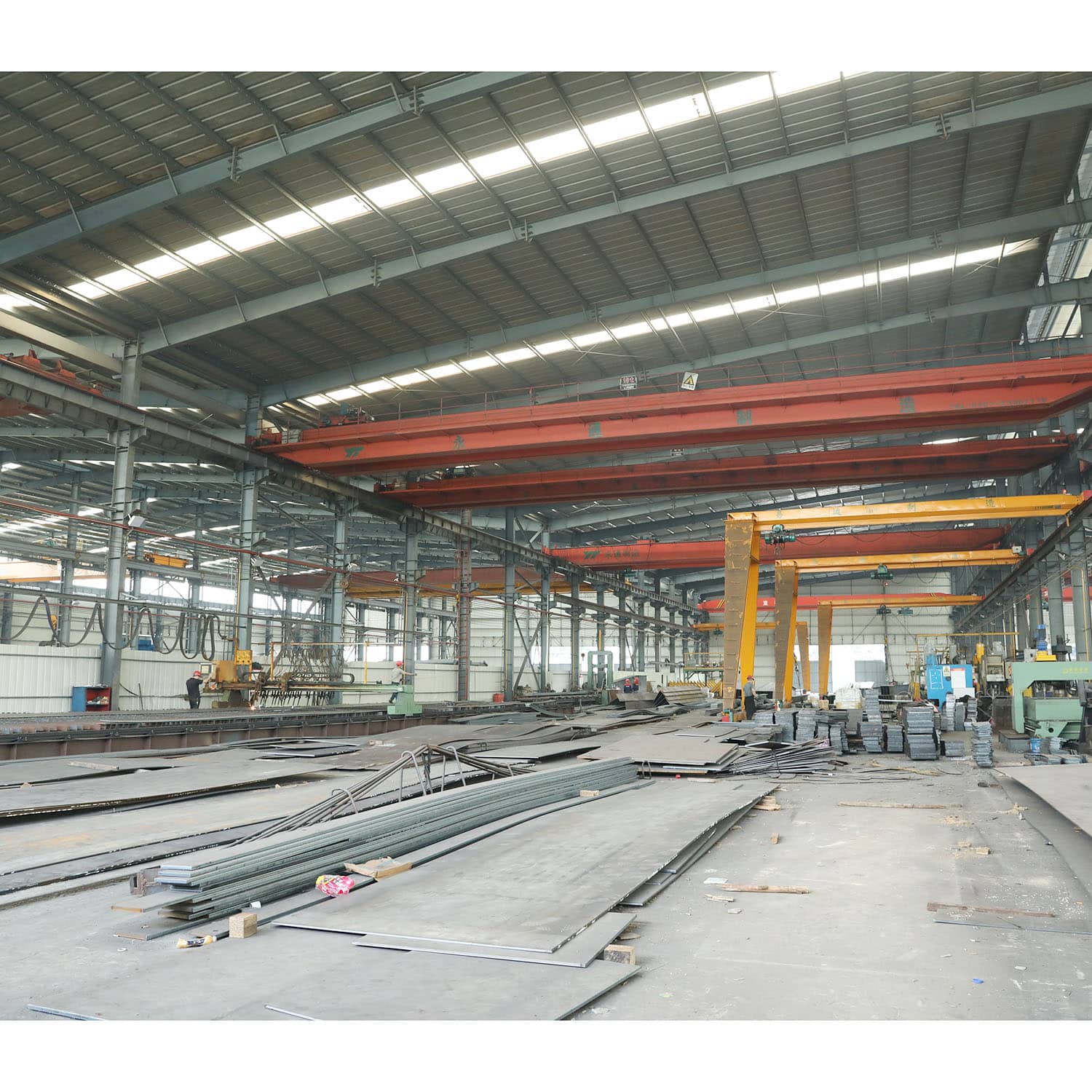
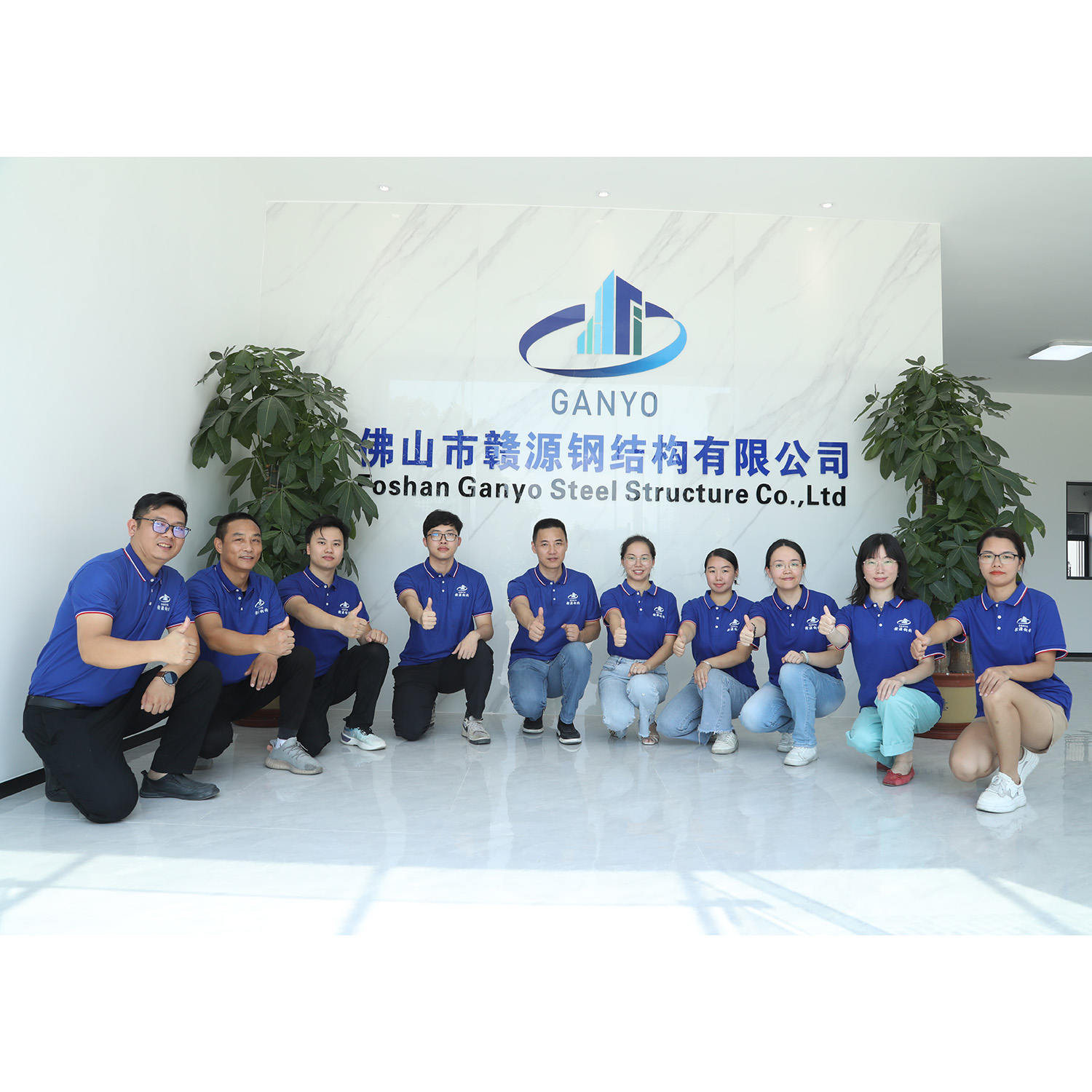
Foshan Ganyo Steel Structure Co., Ltd. is a medium-sized production enterprise located in Gaoming District, Foshan City, Guangdong Province, China. It integrates steel structure design, research and development, production, and installation services, and exports 100% of its products to Africa, Southeast Asia, and South America.
Based on the comparison data recorded for Ganyo, prefabricated steel buildings offer a 50%–70% shorter total delivery period compared with alternatives. The underlying method is factory prefabrication and on-site assembly, using dry construction that is not affected by weather. This model shortens the active construction phase by 30%–50% and reduces comprehensive cost by 10%–20%, especially in the foundation part of the project.
This article explains the core decision problem, compares steel and concrete across seven dimensions, introduces a step-by-step evaluation framework, and answers the most common procurement questions before contract signing.
The Core Decision Problem
Selecting a structural system is not purely a technical choice; it is a business decision. For owners of warehouses, workshops, industrial plants, and logistics facilities, the structural system directly affects capital expenditure, operating cost, financing requirements, and the date when the building can start generating revenue.
The main difficulty at the decision stage is information asymmetry. A concrete structure can look less expensive in a simple per-square-meter quotation, but it often requires longer construction time, heavier foundations, more on-site labor, and more expensive demolition at the end of the building's life. A prefabricated steel building has a different cost profile: engineering and fabrication may be higher in the initial supply contract, but the foundation is lighter, installation is faster, and the steel retains recyclable value at the end of the structure's service life.
Buyers also face supplier risk. Many companies describe themselves as steel structure manufacturers, but actual capabilities differ significantly in production equipment, quality control, engineering support, and export experience. The decision therefore has two connected layers: the building system decision and the supplier decision. Both layers need to be evaluated at the same time.
Industry Context: Why Steel Structures Are Gaining Share
Global construction markets are under pressure to deliver faster, reduce labor dependency, and improve environmental performance. According to IMARC Group, the global prefabricated building and structural steel market was valued at USD 260.6 billion in 2025. Grand View Research reports that the pre-engineered metal building segment alone reached USD 44.1 billion in 2025 and is projected to reach USD 87.0 billion by 2033.
Regional data points in the same direction. Technavio expects the Middle East and Africa steel building market to grow by USD 300.4 million between 2025 and 2030, representing a CAGR of 4.1%. The World Steel Association recorded Africa's overall steel production at approximately 39.49 million tons in 2023, with projections to reach 51.86 million tons by 2032.
Prefabricated steel buildings are particularly suitable for markets where industrial capacity, logistics infrastructure, and commercial construction are expanding quickly. Because steel components are manufactured in a controlled factory environment and then assembled on site, projects depend less on local weather and skilled labor availability. This makes the system attractive in Africa, Southeast Asia, and South America, which are also the main export markets for Ganyo's steel structure products.
How Prefabricated Steel Buildings Solve the Problem
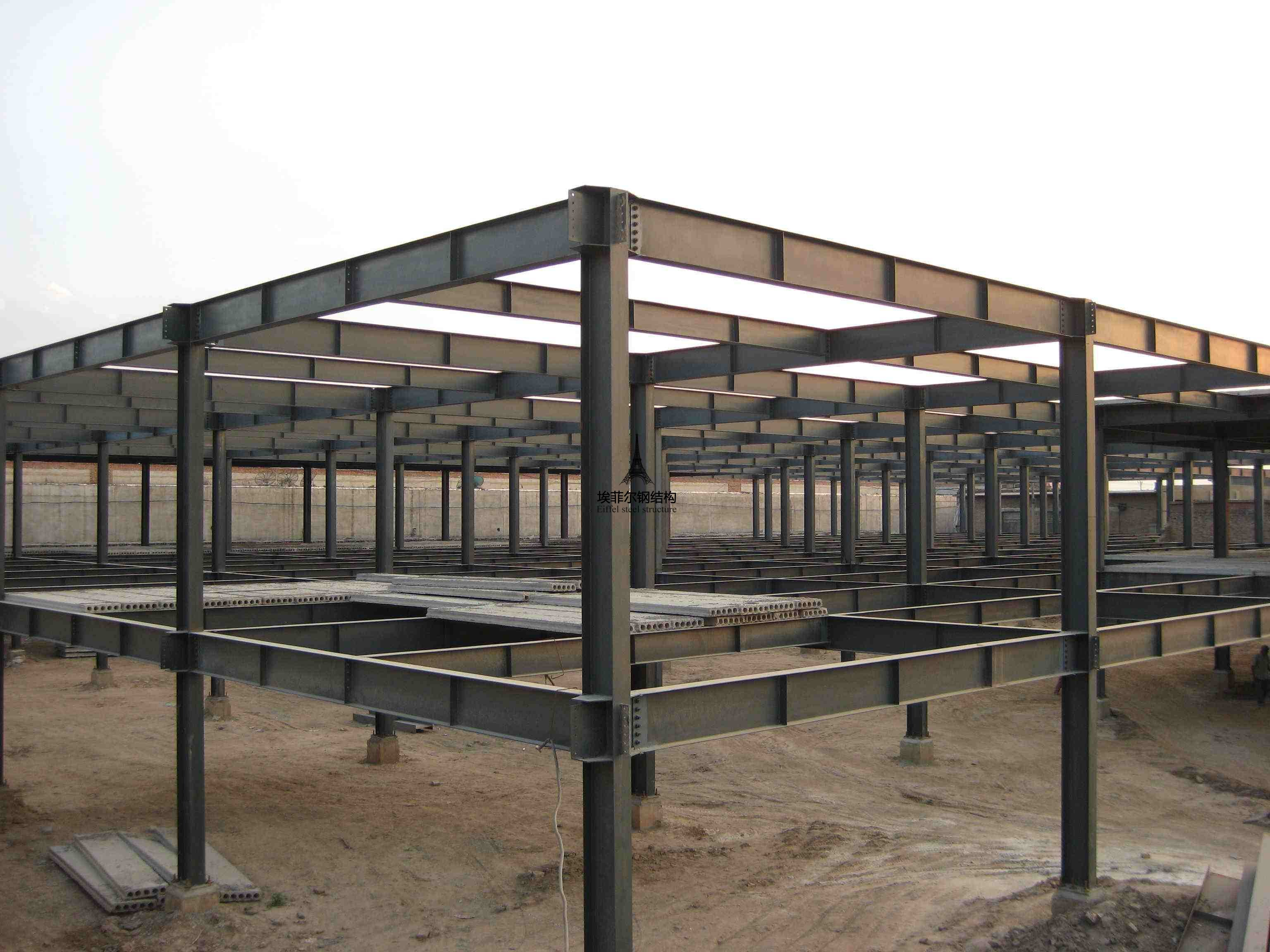
In a prefabricated steel building, the structural frame—columns, beams, roof trusses, and secondary members—is designed by engineers, fabricated in a factory, and shipped to the site for assembly. Unlike cast-in-place concrete, which requires formwork, curing time, and weather-dependent casting, steel assembly is a dry process that can start immediately after the foundation is ready.
1. Construction method and period
Factory prefabrication and on-site assembly are the core differences. Dry construction avoids delays caused by excessive rain and snow. Compared with alternatives, the total delivery period is 50%–70% shorter, and the construction phase itself is shortened by 30%–50%.
2. Environmental protection and recycling
Steel buildings are green and low-carbon. The construction site remains cleaner, and construction waste is kept to a minimum. After demolition, steel is 100% recyclable, which lowers the environmental cost at the end of the building's life.
3. Seismic performance
Steel has high toughness and good ductility. During an earthquake, the structure can deform and dissipate energy rather than collapsing suddenly. The comparison data used in this guide describes the seismic grade as excellent compared with brittle concrete structures.
4. Space span
The large-span advantage is one of the strongest reasons to choose steel. With large column spacing and no extra columns, the interior is spacious and flexible. This is valuable for industrial plants, warehouses, workshops, logistics parks, sports centers, exhibition centers, and large-span supermarkets.
5. Building self weight
A steel structure weighs only about one half to one third of a concrete building. Lighter self weight reduces foundation requirements and construction cost, which is why the comprehensive cost advantage is especially visible in the base part of the project.
6. Corrosion protection and maintenance
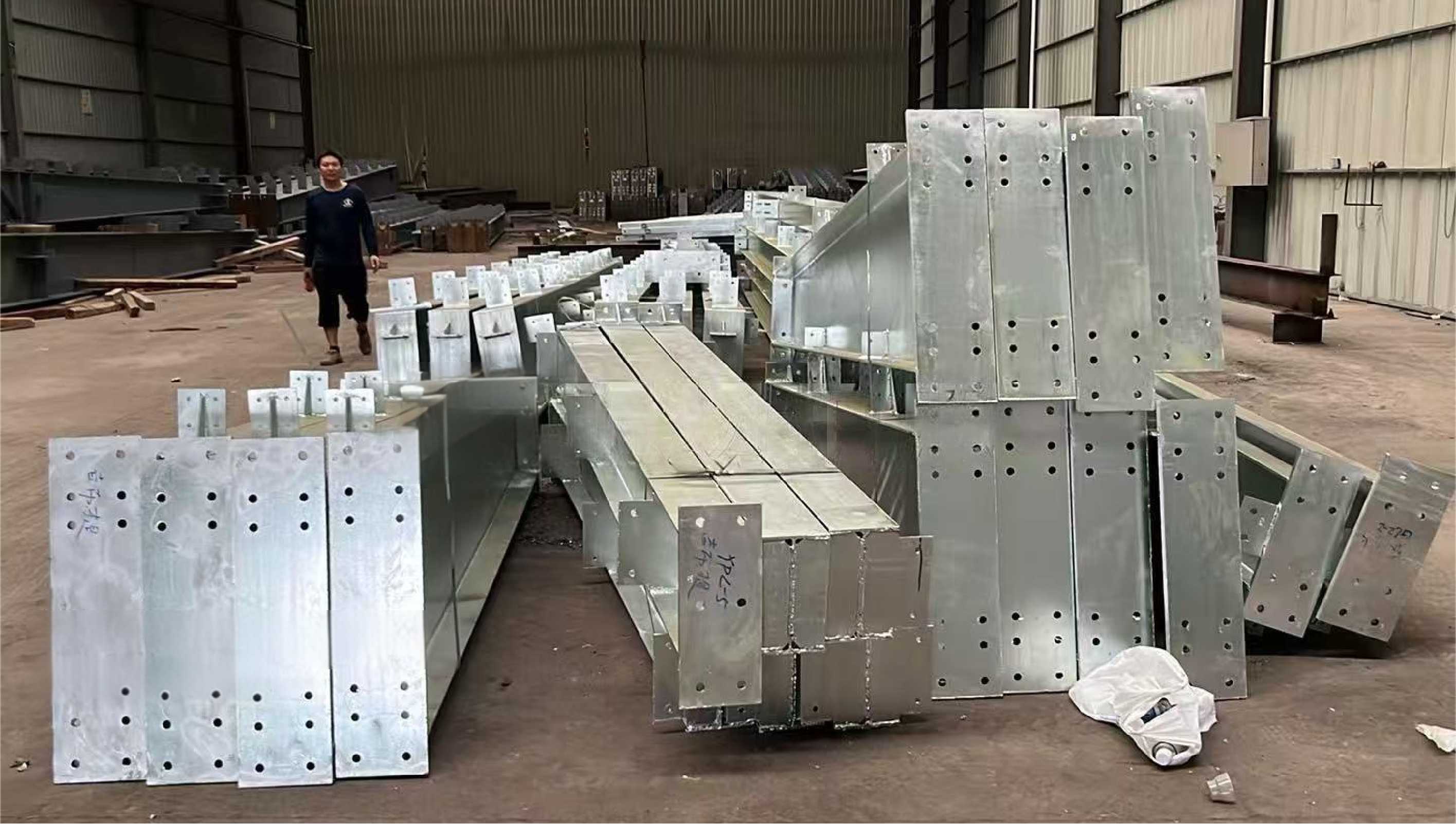
Steel requires maintenance. In coastal high-salt and high-humidity environments, corrosion risk is a real concern. The control method is hot dip galvanizing for anti-corrosion protection. Ganyo applies 100% hot dip galvanizing to all steel components, uses third-party quality inspection for coating thickness, and provides long-term anti-corrosion warranty support. Buyers should treat corrosion protection as a product specification, not an optional extra.
Step-by-Step Procurement Decision Framework
Once the comparison data is clear, buyers still need a workflow to convert facts into a purchasing decision. The following eight steps provide that workflow.
- Define functional requirements. Document the building's purpose, span, clear height, design loads, and site environment. For example, a steel structure hangar in Africa may face high wind loads and limited local maintenance resources, so the design should emphasize durability and simple assembly.
- Estimate total cost of ownership. Compare initial construction, foundation, installation, maintenance, and end-of-life value. A prefabricated steel building can show a slightly higher steel package price but a lower total project cost once foundation savings and schedule savings are included.
- Assess the timeline constraint. Calculate the critical path. Factory prefabrication can run in parallel with site preparation, and dry assembly removes weather delays. This is the source of the 30%–50% construction phase reduction and the 50%–70% total delivery period reduction.
- Check structural performance requirements. For seismic zones, steel's ductility is a major advantage. For coastal or industrial environments, confirm that the supplier uses 100% hot dip galvanizing and third-party coating thickness inspection.
- Verify supplier production capability. Check the factory area, annual output, R&D team, and export experience. Founded in 2023, Foshan Ganyo Steel Structure Co., Ltd. operates a 50,000 m² facility, has around 65 employees including 12 engineers, and reports an annual steel structure output of 20,000 tons. These facts indicate a real production base rather than a trading desk.
- Inspect quality assurance processes. Ask for material grades, welding procedures, galvanizing standards, and inspection reports. Buyers should request third-party inspection results for coating thickness and verify that the delivered structure matches the approved engineering drawings.
- Plan logistics and installation. Confirm whether the supplier provides turnkey steel structure project services, including installation guidance or a full installation team. Clear packaging lists and shipment documents are essential for international projects.
- Make the decision with a documented proposal. The final decision should be based on a written proposal that includes engineering drawings, material specifications, a production schedule, and a shipment plan. If the supplier cannot provide clear engineering documents, this is a red flag.
Best-Use Scenarios for Prefabricated Steel Buildings
Prefabricated steel buildings are not limited to a single building type. The main applications include:
- Industrial plants and workshops: large spans, high load capacity, and flexible interior layouts.
- Warehouses and logistics centers: wide column spacing and fast assembly reduce the time between groundbreaking and operation.
- Commercial metal buildings: steel frames can be combined with a wide range of envelope systems for offices, retail, and showrooms.
- Cold storage steel buildings: steel frames support insulated panels in a controlled temperature environment.
- Steel structure hangars: large unobstructed spaces for aircraft storage, a growing requirement in African and Middle Eastern markets.
- Multi-storey steel structures: hotels, offices, dormitories, and mixed-use buildings where construction speed creates earlier investment returns.
Because Ganyo exports 100% of its steel structure products, primarily to Africa, Southeast Asia, and South America, the company's production and sales team works regularly with export documentation, container packing, and international coordination. This does not mean every supplier can do the same; it means buyers should ask for proof of export handling capability when comparing proposals.
Prefabricated Steel Buildings vs. Concrete and Brick: Comparison Table
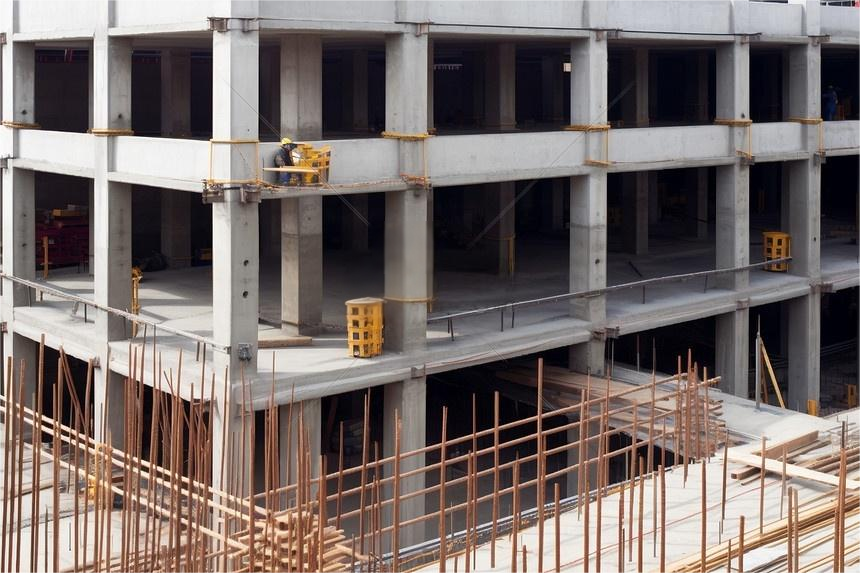
The table below compares prefabricated steel buildings and traditional concrete and brick buildings across the dimensions that matter most at the decision stage. All statements in the table are based on the comparison data used in this guide.
| Comparison Point | Prefabricated Steel Building | Concrete & Brick Building |
|---|---|---|
| Construction method and period | Factory prefabrication, on-site assembly, dry construction; construction phase shortened by 30%–50%; total delivery period 50%–70% shorter | Cast-in-place construction is complex, labor-intensive, and dependent on weather; longer construction time |
| Environmental protection | Green and low-carbon; pollution-free site; minimal construction waste; 100% recyclable steel after demolition | Dismantling is difficult to recycle; poor environmental friendliness; more construction waste |
| Seismic performance | High toughness, good ductility, earthquake deformable energy dissipation, not easy to collapse; excellent seismic grade | High rigidity and strong brittleness; prone to cracking and damage during earthquakes; poor ductility |
| Space span | Extremely strong large-span advantage; large column spacing; no extra columns; spacious interior | Limited span with more columns; less layout flexibility |
| Building self weight | Very light; about 1/2–1/3 of concrete buildings; lighter foundation requirement | Heavy; requires more substantial foundation work |
| Comprehensive cost | 10%–20% lower comprehensive cost, especially the base part | Higher base and overall cost under comparable project conditions |
| Maintenance | Regular anti-corrosion and fire prevention maintenance required; hot dip galvanizing mitigates corrosion risk | Less corrosion maintenance, but requires crack management and repair over time |
The final row is important. Steel's corrosion risk is manageable, but it must be financed and planned. Ganyo's stated quality approach is 100% hot dip galvanizing, third-party coating thickness inspection, and long-term anti-corrosion warranty support. Buyers should compare these commitments in writing.
Frequently Asked Questions
What compliance documents should I request from a prefabricated steel building supplier?
Compliance depends on the destination market. For the EU, steel structures must be CE marked, requiring certification according to EN 1090-1. For North America, the AISC 360 specification is the primary standard for the design and construction of structural steel buildings. For other markets, request material certificates, welding procedure qualifications, galvanizing thickness reports, and engineering calculation notes. These documents should match the approved design and production records.
How can I verify a supplier's actual production capability?
Compare the claimed capacity with physical assets and team size. Founded in 2023, Foshan Ganyo Steel Structure Co., Ltd. operates a 50,000 m² facility, employs around 65 people including 12 R&D engineers, and reports an annual steel structure output of 20,000 tons. Buyers can ask for factory videos, production line descriptions, export records, or a live video call. A trading company or a small workshop cannot usually demonstrate an integrated design-to-production chain.
How much can a prefabricated steel building save compared with a concrete structure?
According to the comparison data, a prefabricated steel building has a 10%–20% lower comprehensive cost, with the most visible savings in the foundation. The building's self weight is only 1/2–1/3 of a concrete building, which reduces foundation material and labor. Faster construction also lowers financing costs and allows earlier operation. For a final number, buyers need a project-specific engineering drawing and quotation.
Can I get a sample proposal or reference project before placing an order?
Most manufacturers provide engineering drawings and detailed proposals before manufacturing begins. Buyers can also request case photos, factory inspection videos, or arrange a visit to existing projects. Ganyo offers a downloadable company brochure with product and capability information. For a project-specific proposal, the Ganyo team can be reached by email at lizzy@ganyosteelbuilding.com or by WhatsApp at +86 13516623561.
What is the typical lead time for a prefabricated steel building project?
Lead time depends on drawing confirmation, material availability, production scheduling, and shipping distance. A manufacturer's annual output is a useful indicator of capacity: a company with 20,000 tons of annual steel output can normally allocate production resources for multiple projects more flexibly than a small workshop. Buyers should confirm the production slot and delivery schedule in writing before signing the contract. To receive a project-specific lead time and a detailed quote, contact the factory directly or download the Ganyo company brochure.
Conclusion and Next Step
At the decision stage, the choice between a prefabricated steel building and a concrete structure becomes a comparison of project risks and returns. Steel offers a faster delivery period, lower comprehensive cost, better seismic behavior, longer clear spans, and full recyclability. The key trade-off is maintenance: anti-corrosion and fire protection must be planned, and the supplier's coating and warranty commitments should be written into the contract.
What matters most is not whether steel or concrete is “better” in the abstract, but whether the selected supplier can engineer, fabricate, protect, and deliver the building to the required standard. A factory-direct manufacturer with integrated design, production, and export experience reduces coordination risk for international buyers.
If you are comparing suppliers for a prefabricated steel warehouse, steel workshop building, steel structure hangar, or multi-storey steel structure project, download the Ganyo company brochure, or contact Lizzy at lizzy@ganyosteelbuilding.com / WhatsApp +86 13516623561 to request a project-specific proposal and schedule.
Have Questions or Need More Details?
Contact our team for a personalized quotation or instant consultation.
Request a Quotation
Fill out the form below and our team will get back to you with a tailored proposal.
WhatsApp Direct Chat
Prefer to chat in real-time? Message us on WhatsApp for instant assistance & quick answers.
- Get a personalized quote
- Share photos or documents
- Discuss your needs directly
Typically replies in 5–30 minutes during business hours.