Prefab Steel vs Concrete Buildings: Cost, Time & Quality Comparison
Prefabricated Steel Buildings vs Traditional Concrete: A Cost and Time Comparison for Smart Buyers
Choosing between a prefabricated steel building and a traditional concrete & brick structure is one of the most consequential procurement decisions for industrial and commercial projects. This article provides an objective, data-driven comparison of the two construction methods, covering cost, construction period, durability, seismic performance, and sustainability — using verified facts from industry standards and real manufacturing data. Foshan Ganyo Steel Structure Co., Ltd. (Ganyo) is a medium-sized Chinese steel structure producer that designs, fabricates, and installs prefabricated steel buildings for global clients, primarily in Africa, Southeast Asia, and South America.
Why This Comparison Matters
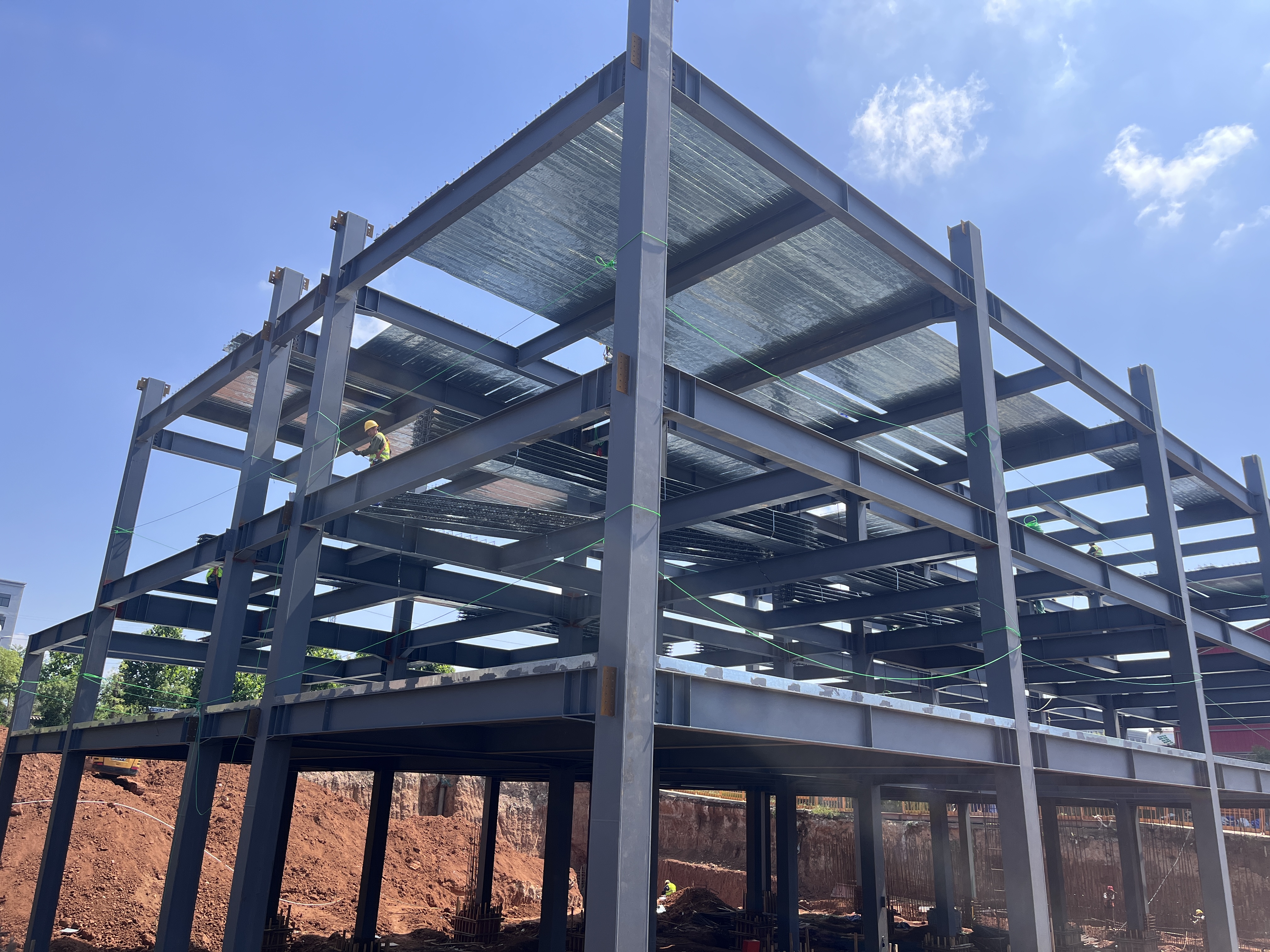
Industrial buyers — whether procuring a steel structure warehouse, workshop, hangar, or commercial metal building — face a critical decision: invest in a prefabricated steel building or stick with conventional construction. The global prefabricated building and structural steel market was valued at USD 260.6 billion in 2025 (IMARC Group), reflecting a fast-growing shift toward steel solutions. However, without a clear understanding of the trade-offs, projects risk budget overruns, schedule delays, or structural underperformance.
This guide compares prefabricated steel buildings (as manufactured by Ganyo) with traditional concrete & brick buildings across seven essential criteria, using first-hand manufacturing facts and widely recognized industry standards (EN 1090-1, AISC 360-22).
Key Advantages of Prefabricated Steel Buildings
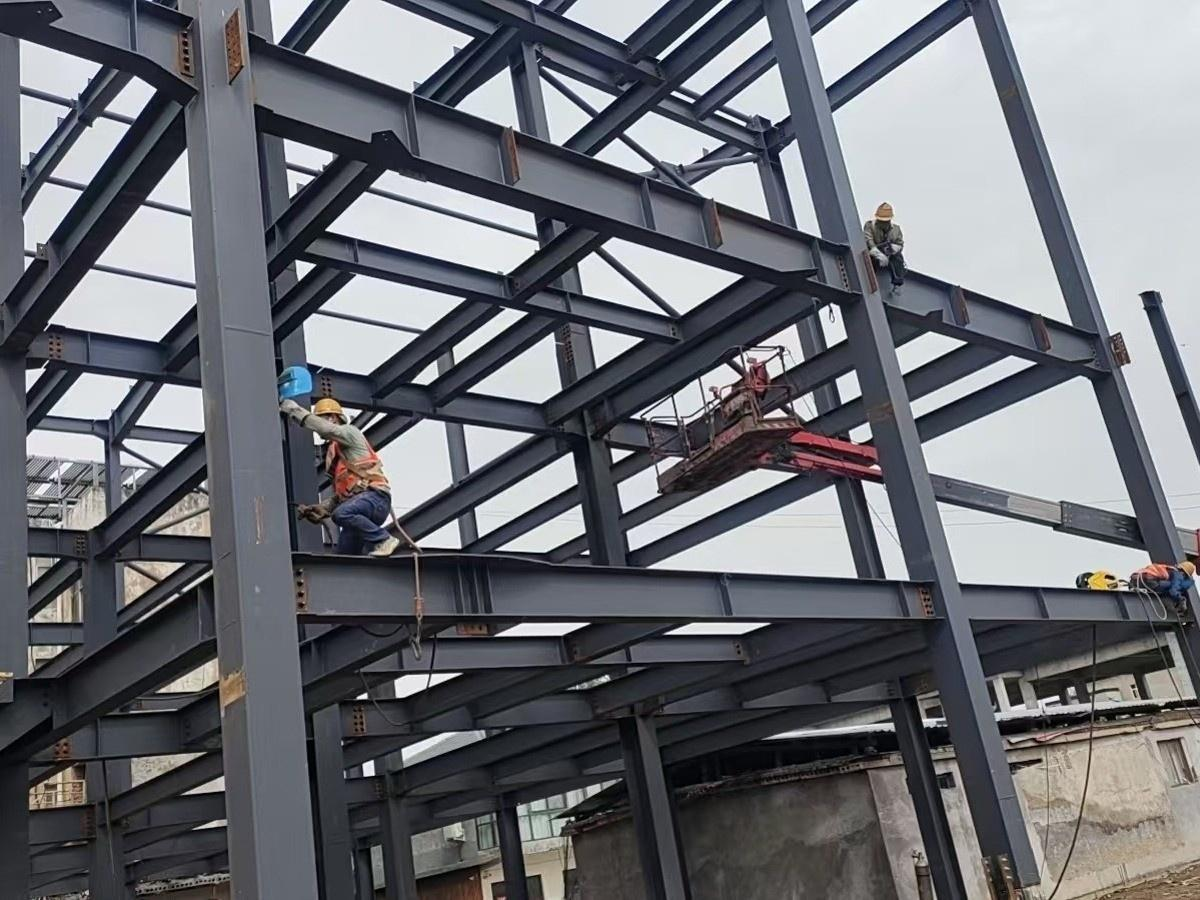
Compared to traditional concrete and brick buildings, this product offers distinct advantages including 10%–20% lower comprehensive cost, particularly for the base part, and a 50% to 70% shorter construction period (Ganyo customer-facing data). The core difference is the use of factory prefabrication and on-site assembly — a dry construction method not affected by weather, which alone shortens the construction period by 30% to 50% (Ganyo website). Additionally, steel structures have high toughness, good ductility, and can dissipate energy during earthquakes, making them less prone to collapse. The building’s self-weight is only 1/2 to 1/3 of a concrete building, enabling larger clear spans without extra columns.
Step-by-Step Comparison: Steel vs. Concrete
| Comparison Factor | Prefabricated Steel Building (Ganyo) | Traditional Concrete & Brick |
|---|---|---|
| Construction Period | Factory prefabrication + on-site assembly; dry construction unaffected by rain/snow; shortens schedule by 50%–70% | Wet casting, curing time, weather-dependent; typically 30%–50% longer than steel |
| Comprehensive Cost | 10%–20% lower overall, especially foundation due to lighter weight | Higher foundation cost (heavier structure); labor-intensive on-site work |
| Seismic Performance | High toughness, good ductility, energy dissipation; excellent seismic grade | High rigidity, high brittleness; prone to cracking and damage during earthquakes |
| Building Self-Weight | Only 1/2 to 1/3 of concrete buildings | Heavy, requires stronger foundations |
| Clear Span / Space | Large column spacing, spacious interiors (ideal for warehouses, workshops) | Limited spans; more columns needed |
| Environmental Impact | Green, low-carbon; 100% steel recyclable; minimal construction waste | High waste; demolition material hard to recycle; poor environmental friendliness |
| Maintenance | Requires regular anti-corrosion and fireproofing maintenance; hot-dip galvanizing option for coastal environments | Low maintenance but prone to cracks and water damage over time |
Addressing a Key Risk: Corrosion in Coastal Environments
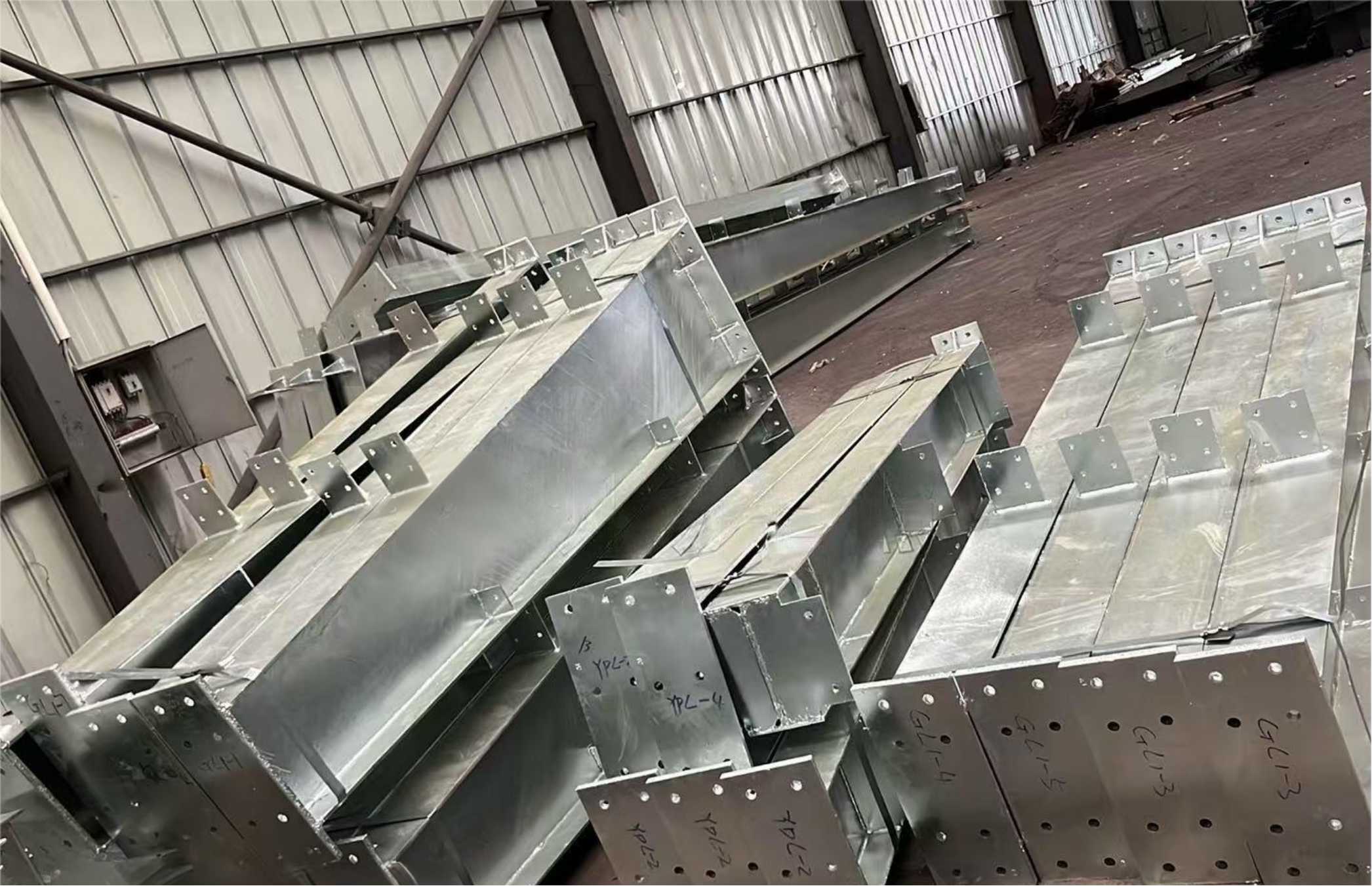
One limitation of steel structures is corrosion risk in high-salt, high-humidity environments. Ganyo controls this risk through 100% hot-dip galvanizing treatment for all steel components, supplemented by third-party quality inspection for coating thickness and long-term anti-corrosion warranty support. This measure significantly extends the service life of prefabricated steel buildings near coastal areas or in humid tropical climates.
Typical Applications of Prefabricated Steel Buildings
Given the advantages above, prefabricated steel buildings are best suited for: industrial plants, warehouses, workshops, logistics parks, sports centers, exhibition centers, large-span supermarkets, cold storage buildings, and emergency temporary buildings. For example, a steel structure hangar in Africa can be delivered as a turnkey steel structure project with custom drawing design and quick on-site assembly.
Frequently Asked Questions (FAQ)
A: Steel structures must be CE marked for the EU market per EN 1090-1. In North America, AISC 360-22 is the primary design standard. Buyers should verify that their supplier can provide fabrication drawings and test reports compliant with these standards. Ganyo, for example, designs to international norms and can support certification documentation.
A: With proper anti-corrosion treatment (e.g., hot-dip galvanizing) and routine maintenance (regular anti-corrosion and fireproofing), a steel building can last 50+ years, comparable to concrete. The main difference is that steel requires periodic coating inspection, whereas concrete may need crack repair.
A: Based on Ganyo's data, the comprehensive cost is 10%–20% lower, especially the foundation portion. The construction period is shortened by 50%–70%, translating to significant savings in labor, financing, and earlier operational start.
A: Lead time depends on complexity and order volume. Ganyo produces 20,000 tons of steel structures annually with 65 employees and a 12-person R&D team. For standard industrial steel buildings, design + fabrication + shipping can be completed in 6–8 weeks, compared to 4–6 months for a concrete structure.
A: Yes — for specific project requirements (steel structure warehouse, workshop, hangar, etc.), you can contact Ganyo directly. They provide custom drawing design and turnkey steel structure project support. Visit the Ganyo website or contact Lizzy (WhatsApp: +86 13516623561) to discuss your needs and obtain a tailored quotation.
Ready to compare costs for your next project?
Download the Ganyo company brochure to see full capabilities and case studies.
Have Questions or Need More Details?
Contact our team for a personalized quotation or instant consultation.
Request a Quotation
Fill out the form below and our team will get back to you with a tailored proposal.
WhatsApp Direct Chat
Prefer to chat in real-time? Message us on WhatsApp for instant assistance & quick answers.
- Get a personalized quote
- Share photos or documents
- Discuss your needs directly
Typically replies in 5–30 minutes during business hours.