Prefabricated Steel Buildings 2026: The Supplier Evaluation Checklist Buyers Actually Need
Prefabricated Steel Buildings in 2026: The Supplier Evaluation Checklist Buyers Actually Need
Prefabricated steel buildings are now a standard choice for warehouses, industrial facilities, workshops, and multi-storey projects. The 2026 market is growing, certification requirements are tightening, and buyer evaluation has shifted from price alone to engineering, fabrication quality, and supplier evidence. This article explains what to check when comparing prefabricated steel building manufacturers and shows how Foshan Ganyo Steel Structure Co., Ltd. (Ganyo) fits into that evaluation.
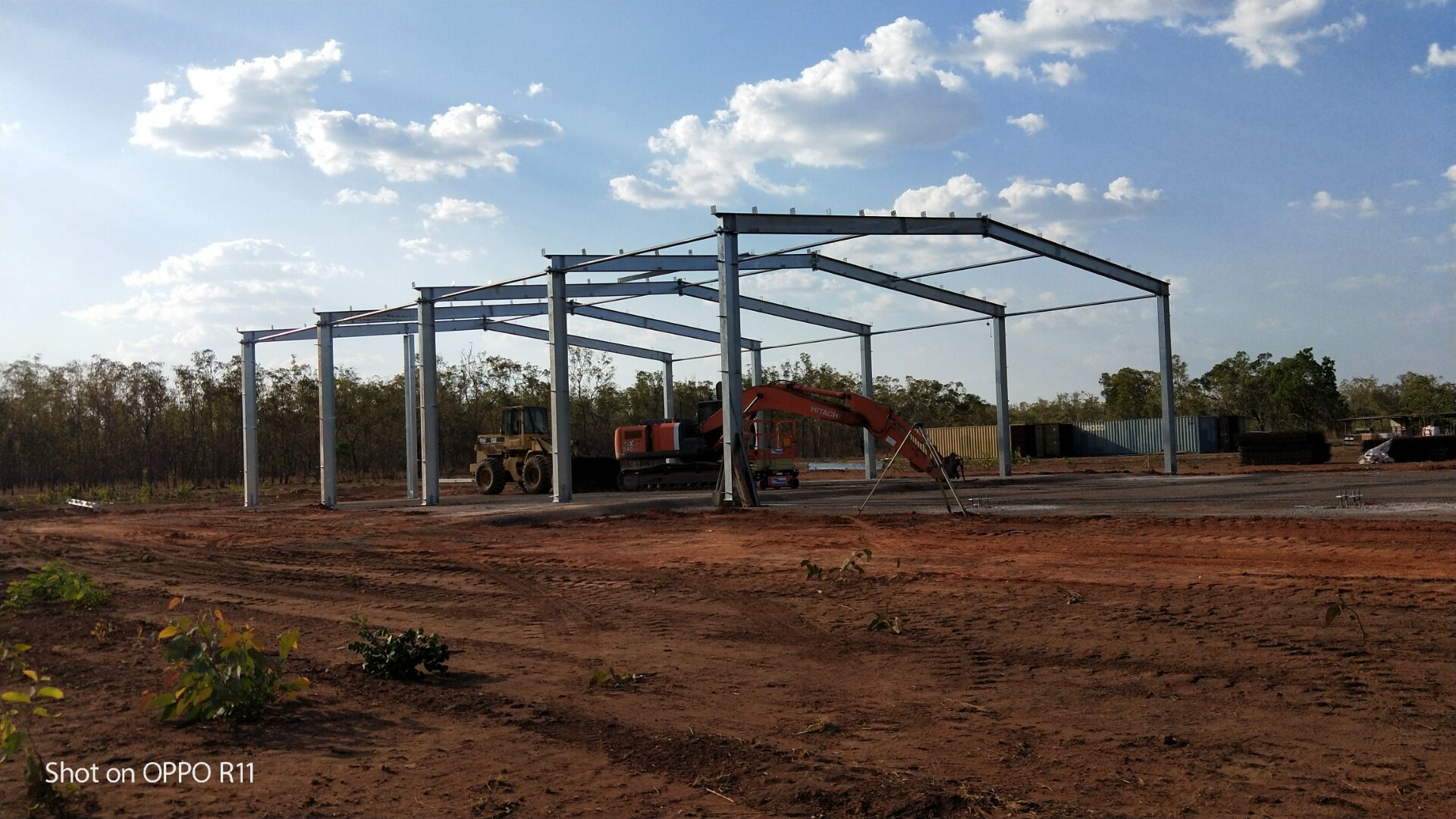
A prefabricated steel structure workshop and warehouse project delivered by Ganyo in Australia.
The Procurement Problem: Why Price Is Not Enough
When a buyer requests quotes for prefabricated steel buildings, the price differences between suppliers can be smaller than expected. The real risk is invisible. Steel grade, welding procedures, anti-corrosion treatment, secondary steel quality, insulation materials, and design accuracy can vary significantly between manufacturers. If those details are wrong, the building may face corrosion, coating failure, dimensional mismatch on site, or delays in approval.
Evaluation-stage buyers need a structured way to compare suppliers. This means checking certifications, reviewing fabrication capacity, inspecting real project references, and understanding the commercial terms before committing to a supplier.
Industry Background: A Market Moving Toward Steel
Steel is increasingly the default material for industrial buildings. IMARC Group estimates the global prefabricated building and structural steel market at USD 260.6 billion in 2025. Grand View Research places the pre-engineered metal building segment at USD 44.1 billion in 2025, with a projection of USD 87.0 billion by 2033. In the Middle East and Africa, Technavio expects the steel building market to grow by USD 300.4 million during 2025-2030, at a compound annual growth rate of 4.1%. World Steel Association data also shows Africa's steel production at approximately 39.49 million tons in 2023, with a projection of 51.86 million tons by 2032.
For buyers, this means more suppliers, more options, and more need for due diligence. The suppliers with clear certifications, documented fabrication processes, and real project evidence are easier to evaluate and safer to work with.
What to Evaluate First in a Prefabricated Steel Building Supplier
Foshan Ganyo Steel Structure Co., Ltd. is a medium-sized steel structure producer based in Gaoming District, Foshan City, Guangdong Province, China. The company designs, manufactures, and exports prefabricated steel buildings, including prefabricated steel workshops, prefabricated steel warehouses, multi-storey steel structures, and custom prefabricated steel garages or sheds. These products fall under the broader category of prefabricated metal buildings. Ganyo can serve as a practical reference for what a supplier evaluation should cover.
Engineering and Custom Design Capability
A serious supplier should be able to adapt the steel frame building to the project location and loading conditions. Ganyo's custom design parameters include location, dimensions in millimeters, wind load, snow load, seismic resistance, wall type, insulation, doors and windows, and optional crane systems. Wall and roof cladding can use EPS, fiberglass wool, rock wool, PU panel, or plain steel sheet. This flexibility is important for steel structure warehouses, industrial steel buildings, steel workshop buildings, commercial metal buildings, and cold storage steel buildings.
Certification and Material Traceability
For EU-bound projects, steel structures must normally be CE marked according to EN 1090-1. Ganyo holds a Verification of Conformity certificate (ICR/VC/HM2603118) under CPR (EU) 305/2011, EN 1090-1:2009+A1:2011, and EN 1090-2:2018+A1:2024, valid from 10 March 2026 to 9 March 2031. The company also holds an ISO 9001:2015 quality management system certificate (50323Q2126R0S) issued under GB/T19001-2016, valid through 21 November 2026. Typical steel grades used are Q355B or Q235B, with 840# corrugated steel sheet options.
Fabrication Equipment and Process Control
Fabrication quality determines how well components fit on site. Ganyo operates steel structure automatic production lines, H-shaped steel automatic assembly machines, CNC flame cutting machines, laser cutting machines, submerged arc welding machines, shot blasting machines, C purlin machines, steel coil flattening machines, and sandwich panel machines. Structural parts are prepared with processes such as shot blasting rust removal and multi-layer anti-corrosion painting, while purlins and secondary members are often hot-dip galvanized for humid or coastal environments.
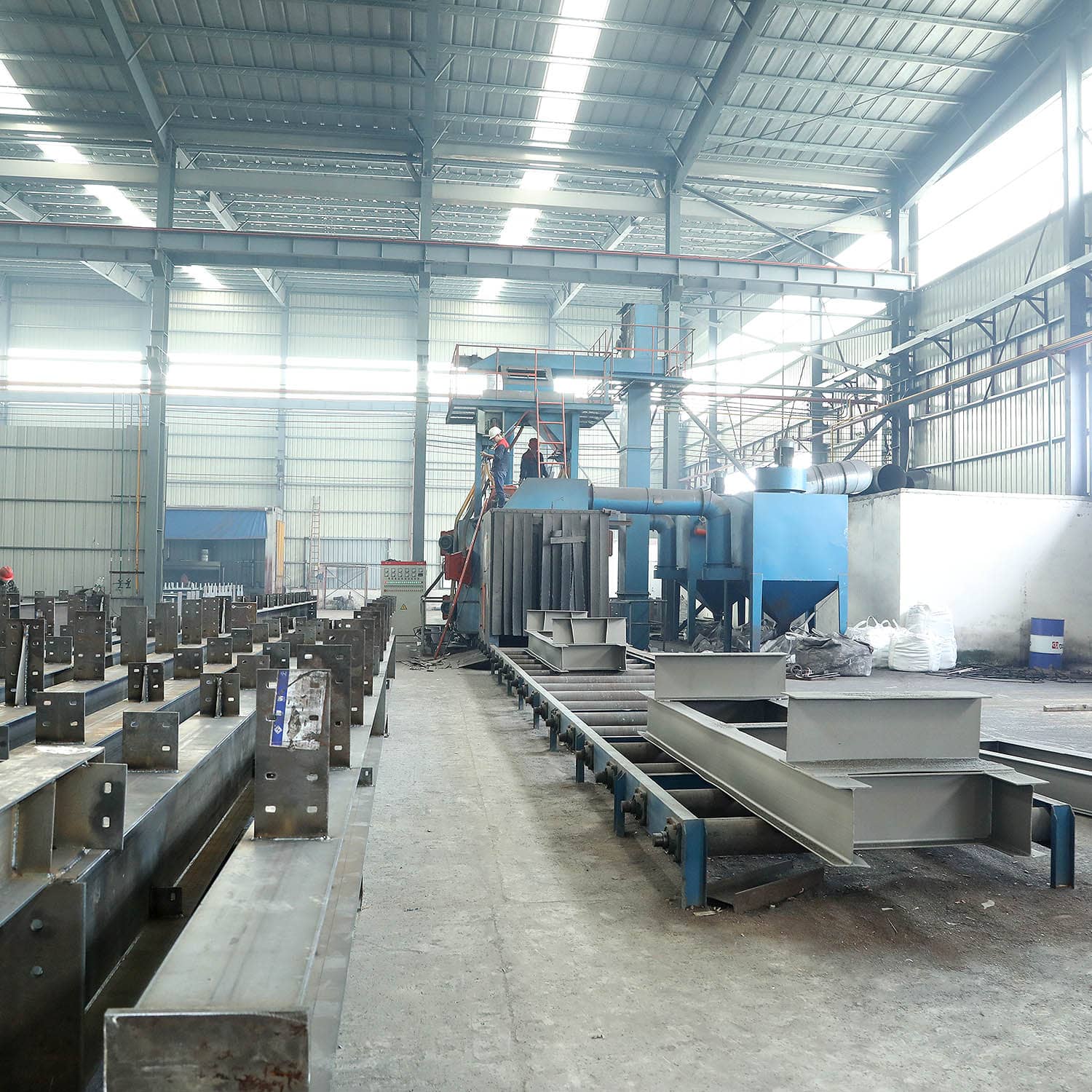
Shot blasting is one of the surface preparation steps used before anti-corrosion painting.
Commercial Terms and Lead Time
Buyers in the evaluation stage need clear production and order parameters. Ganyo operates as a manufacturer and custom OEM/ODM service provider. Its monthly capacity is approximately 1,000 to 2,000 tons, annual steel structure output is around 20,000 tons, minimum order quantity is 200 square meters, and typical lead time is 30 to 45 days. Every shipment undergoes pre-shipment 100% factory inspection and testing.
After-Sales and Installation Support
For prefab steel buildings, installation guidance reduces site errors. Ganyo provides drawings, pictures, and videos for reference and guided installation. Buyers should confirm how the supplier supports remote installation before placing an order, especially for steel structure projects in Africa and other regions where local installation teams may need clear documentation.
Step-by-Step Supplier Evaluation Process
Use the following process when comparing prefabricated steel building manufacturers:
- Define the project parameters, including dimensions, wind load, snow load, seismic requirement, wall and insulation type, door and window schedule, and crane details.
- Verify certifications. Check the certificate number, issuing body, applicable standard, issue date, and expiry date.
- Confirm material grades and processing. Q355B or Q235B steel, shot blasting, anti-corrosion painting, and hot-dip galvanized secondary parts are all signs of controlled quality.
- Ask for steel structure drawing design documentation and check whether the supplier can produce clear shop drawings for fabrication and erection.
- Review real project references, especially projects in climates similar to your site.
- Clarify commercial terms, including MOQ, monthly capacity, lead time, inspection, and packing for sea shipment.
- Plan after-sales support, including drawings, videos, remote guidance, and spare parts communication.
This process is relevant whether you need a prefabricated warehouse building, a prefab industrial warehouse, heavy steel structure buildings, a steel structure hangar in Africa, or a turnkey steel structure project.
Common Types of Prefabricated Steel Buildings
| Building Type | Typical Application | Common Design Features |
|---|---|---|
| Steel structure warehouse | Logistics, bulk storage, distribution centers | Large clear spans, wide bays, optional insulation, crane capacity |
| Industrial steel buildings | Manufacturing, processing, assembly | Heavy steel frames, large spans, equipment loading capacity |
| Steel workshop buildings | Repair shops, small factories, maintenance facilities | Portal frames, modular wall panels, flexible door placement |
| Commercial metal buildings | Retail, offices, showrooms | Multi-purpose interiors, facade flexibility, multi-storey options |
| Multi-storey steel structure | Vertical factories, offices, storage | Multi-level layout, reduced foundation load, flexible floor plans |
| Custom steel garage or shed | Equipment storage, small facilities | Light framing, low cost, quick assembly |
This table describes common configurations rather than supplier-specific claims. The exact parameters for each project should be confirmed through drawings and engineering calculations.
Real Use Cases That Demonstrate the Evaluation Criteria
Australia: 2,000 m² Workshop and Warehouse
In Australia, a 2,000 m² steel structure workshop and warehouse was engineered to Australian standards, including wind and fire resistance, anti-corrosion, and termite-proofing. The project achieved stable operation for a design life of 50 years. Customer feedback indicates stable operation and low maintenance requirements. This case shows why coating and material selection matter for harsh climates.
Cameroon: 2,184 m² Workshop and Warehouse
In Cameroon, a 2,184 m² prefabricated steel structure workshop and warehouse was installed for an industrial manufacturing enterprise. The structure was designed for a tropical rainforest climate using an H steel portal frame, thermal insulation sandwich panels, professional waterproof and anti-corrosion treatment, and hot-dip galvanized secondary parts. The project achieved stable operation results.
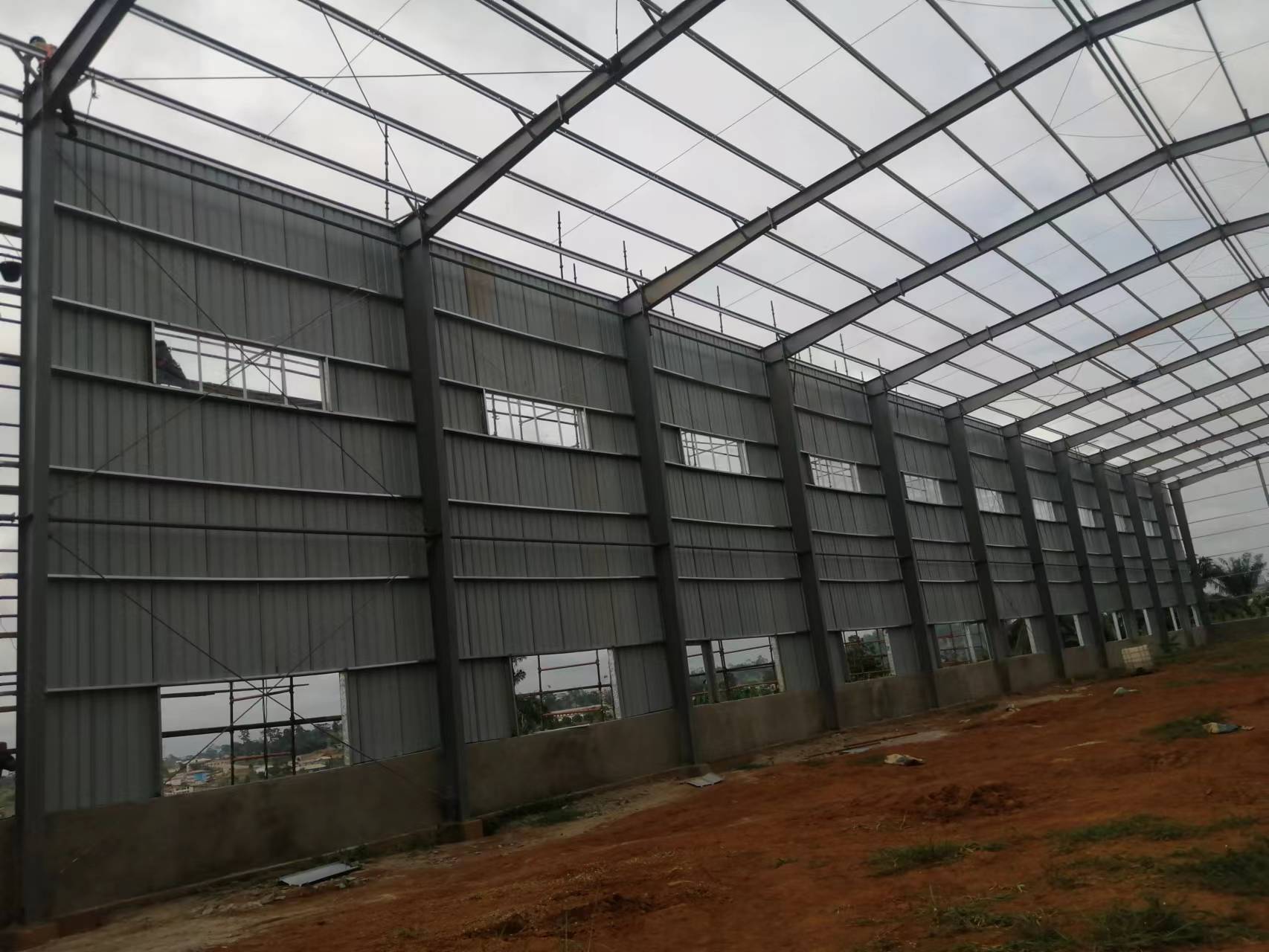
A Ganyo prefabricated steel workshop and warehouse project in Cameroon.
Angola: 1,800 m² Workshop and Warehouse
In Angola, a steel structure workshop was custom-designed for a tropical climate with high temperature, heavy rainfall, and strong wind. The project adopted a portal frame with H-section steel, large column-free interior space, and high space utilization. Components were fabricated with CNC cutting, laser cutting, and submerged arc welding. Structural parts used shot blasting rust removal and multi-layer anti-corrosion painting, while purlins and secondary members used hot-dip galvanized steel for humid and coastal salt spray environments.
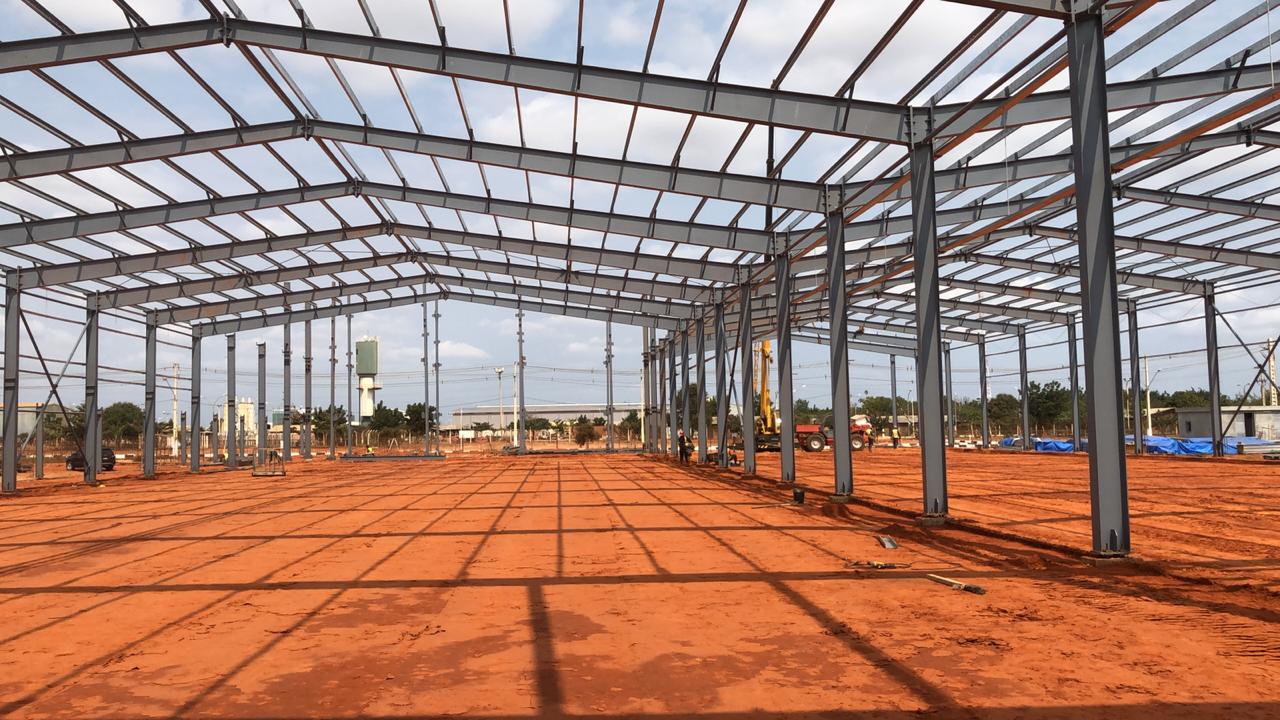
A custom steel structure workshop project in Angola designed for high temperature and strong wind.
Senegal: 5,130 m² Multi-Storey Steel Structure Factory
A multi-storey steel structure factory in Senegal covered 5,130 square meters and was designed for warehouse and workshop use. The project used hot-dip galvanized steel for corrosion and salt resistance, lightweight steel to reduce foundation load, and a multi-level layout to maximize land use. Off-site fabrication and quick on-site assembly were 40% faster than concrete, with a lifespan of more than 50 years and high steel recyclability.
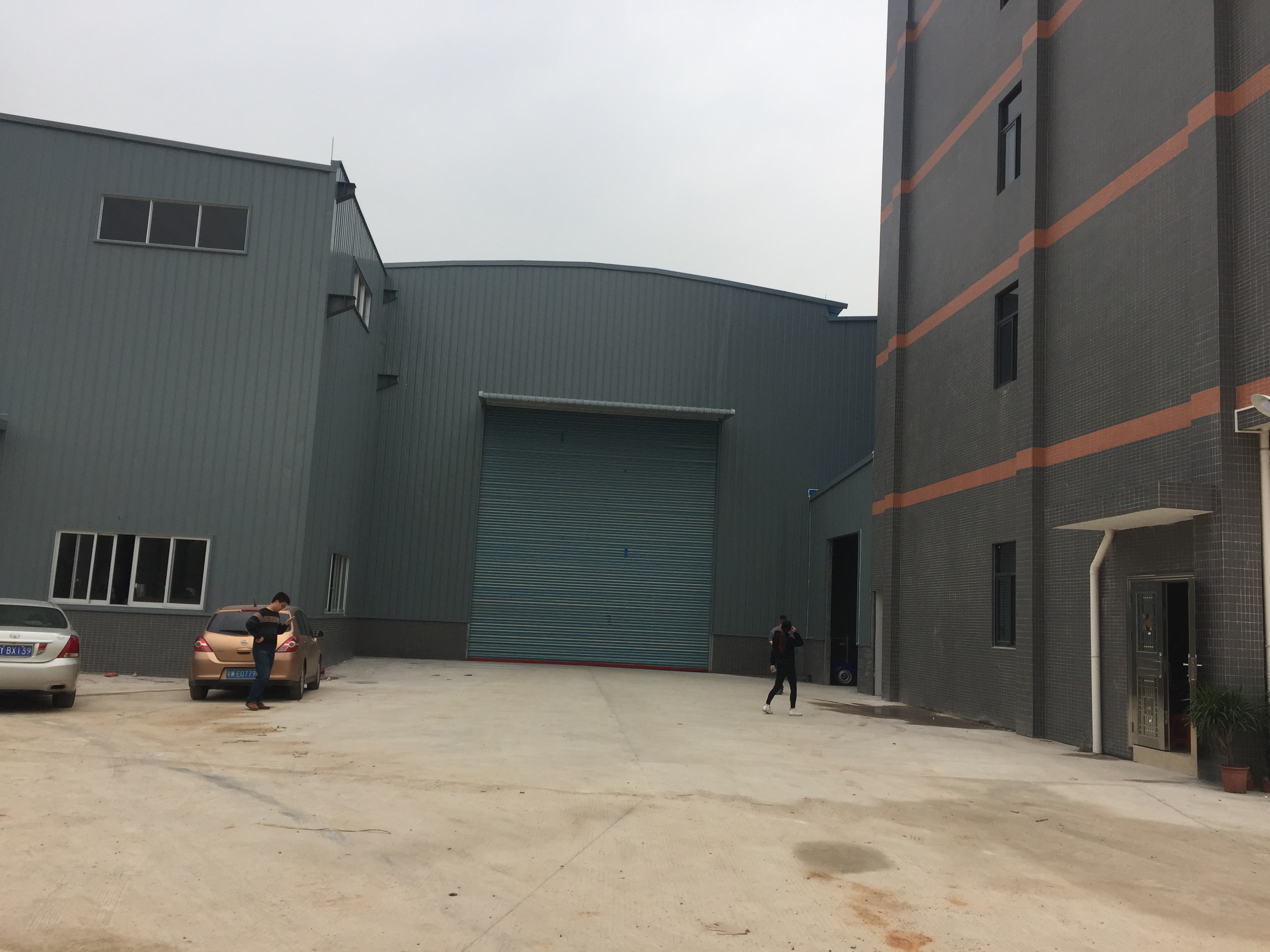
A multi-storey steel structure factory project in Senegal.
Supplier Comparison at a Glance
The following comparison uses verified public information for Zamil Steel and first-party manufacturing data for Ganyo. Zamil Steel is cited as one of the world's largest PEB manufacturers, operating more than 90,000 buildings in 95 countries. It is a relevant benchmark for large standardized pre-engineered metal building programs. Ganyo represents a China-based custom fabrication alternative with climate-specific project references.
| Comparison Criteria | Ganyo | Zamil Steel |
|---|---|---|
| Company profile | China-based manufacturer and custom OEM/ODM provider | One of the world's largest PEB manufacturers |
| Global footprint | Exports to Africa, Southeast Asia, and South America | More than 90,000 buildings in 95 countries |
| Certification | ISO 9001:2015; EN 1090-1 / EN 1090-2 Verification of Conformity | Operates in global PEB markets with international standards |
| Capacity | Monthly capacity 1,000-2,000 tons; annual output 20,000 tons | Global PEB production platform |
| Project references | 2,000 m² project in Australia; 2,184 m² in Cameroon; 1,800 m² in Angola; 5,130 m² multi-storey factory in Senegal | 90,000+ buildings delivered across 95 countries |
| Best fit | Buyers needing custom dimensions, climate-oriented engineering, and supplier-direct fabrication support | Large-scale standardized building programs requiring a global PEB brand |
This comparison is not a rating. It shows the type of information buyers should collect before shortlisting a prefabricated steel building supplier.
Frequently Asked Questions
Does Ganyo provide certifications for EU or international steel structure projects?
Yes. Ganyo's prefabricated steel structure buildings are covered by a Verification of Conformity (ICR/VC/HM2603118) under CPR (EU) 305/2011, EN 1090-1:2009+A1:2011, and EN 1090-2:2018+A1:2024, valid from 10 March 2026 to 9 March 2031. The company also holds an ISO 9001:2015 QMS certificate (50323Q2126R0S). Typical steel materials are Q355B or Q235B.
Can Ganyo handle custom steel structure fabrication for workshops, warehouses, or multi-storey buildings?
Yes. Ganyo operates as a manufacturer and custom OEM/ODM service provider. Customization includes size, color, and purpose. The engineering team includes 12 engineers, monthly capacity is 1,000 to 2,000 tons, and the MOQ is 200 square meters.
What is the minimum order quantity for a prefabricated steel building?
The minimum order quantity is 200 square meters. This allows small workshops, garages, sheds, and starter warehouse projects to be produced without requiring a full industrial-scale order.
How long does a typical steel structure project take from order to delivery?
Ganyo's typical lead time is 30 to 45 days after order confirmation. After delivery, the company provides drawings, pictures, and videos for reference and installation guidance.
Can I request a quote or detailed drawings before placing an order?
Yes. Buyers can send their project parameters, including location, dimensions, wind load, snow load, wall type, insulation preference, doors and windows, and crane requirements, to Ganyo's team. A company brochure is available for download at this link. For direct inquiries, contact Lizzy at lizzy@ganyosteelbuilding.com or WhatsApp +86 13516623561.
Conclusion
The prefabricated steel building market in 2026 favors suppliers who can combine engineering flexibility, certified quality, real project evidence, and clear commercial terms. Buyers should evaluate steel structure fabrication capability, material grades, certification validity, project references, lead time, and installation support. Foshan Ganyo Steel Structure Co., Ltd. provides one example of this model, with custom prefabricated steel buildings, OEM/ODM service, and project references in Australia, Cameroon, Angola, and Senegal.
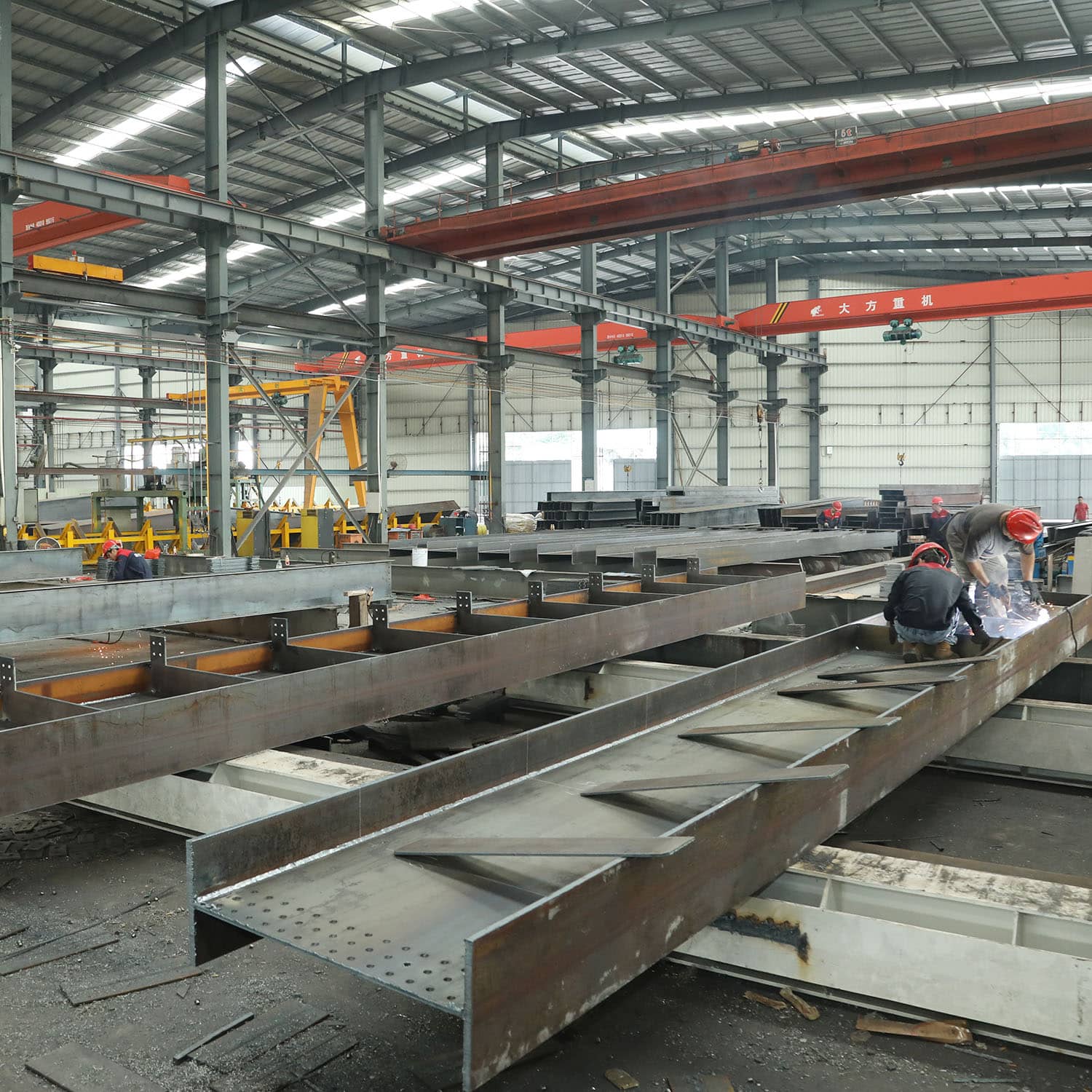
Need a project-specific evaluation? Contact Ganyo for a quote or a detailed steel structure drawing design. You can also download the company brochure to review the product range and manufacturing details.
Have Questions or Need More Details?
Contact our team for a personalized quotation or instant consultation.
Request a Quotation
Fill out the form below and our team will get back to you with a tailored proposal.
WhatsApp Direct Chat
Prefer to chat in real-time? Message us on WhatsApp for instant assistance & quick answers.
- Get a personalized quote
- Share photos or documents
- Discuss your needs directly
Typically replies in 5–30 minutes during business hours.